
For Indian entrepreneurs operating or expanding into the United States, the SBA 7(a) loan remains the gold standard of financing. However, the lending environment in 2026 is drastically different from previous years. With the full implementation of Procedural Notice 5000-872050 and the sunsetting of traditional scoring models, qualifying today requires a more strategic approach than ever before.
This guide breaks down the updated SBA 7(a) loan requirements for 2026, specifically addressing the hurdles for international owners and the new, massive incentives for manufacturers.
2026 Quick-Reference Summary:
| Feature | 2026 Requirement |
| Max Loan Amount | $5 Million |
| Citizenship/Residency | 95% of owners must be US Citizens or LPRs (New for 2026) |
| Small Loan Threshold | Fixed at $350,000 (Reduced from $500k) |
| Credit Scoring | FICO SBSS being discontinued (Effective Feb 28, 2026) |
| Manufacturing Fee | 0% Upfront Fee (for loans under $950,000) |
What are the Core SBA 7(a) Eligibility Requirements in 2026?
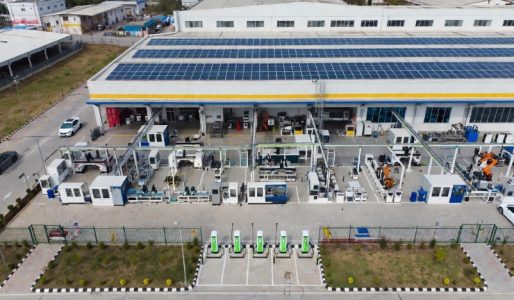
To qualify for an SBA 7(a) loan, your business must first clear the general eligibility hurdles. In 2026, the SBA has doubled down on its “Credit Elsewhere” mandate, meaning you must prove you cannot get a conventional bank loan.
1. The 2026 Size Standards
Your business must be “small” as defined by the SBA. Early in 2026, these standards were adjusted for inflation:
- Retail/Service: Most businesses must have annual receipts below $30M-$45M.
- Manufacturing: Usually capped at 500 to 1,500 employees.
2. For-Profit and US-Based
The business must operate for profit and be physically located within the US. For Indian business owners, this means your operations must be a registered US entity (LLC, C-Corp, etc.) and you must demonstrate that the loan proceeds will stay within the US economy.
Can Indian Citizens Qualify for SBA 7(a) Loans in 2026?
This is the most critical update of the year. Following Executive Order 14159, the SBA has tightened the rules for non-citizens.
The New 95% Residency Rule
As of January 1, 2026, at least 95% of the applicant business must be owned by US Citizens or Lawful Permanent Residents (Green Card holders) who maintain their Principal Residence in the United States.
- Visa Holders (H-1B, L-1, E-2): These individuals are now categorized as “Ineligible Persons” for majority ownership. If you are an Indian citizen on a work visa, you can only hold up to a 5% aggregate stake in the company to remain eligible for SBA financing.
- Guarantor Requirements: Any owner with 20% or more stake must still provide a personal guarantee, but they must also meet the 95% residency standard.
Expert Tip for Indian Owners: If you are looking to acquire a US business in 2026, you likely need a US-based partner or a Green Card holder to hold the vast majority of the equity to satisfy these new federal compliance rules.
What Financial Documents Do You Need in 2026?
Underwriting in 2026 has moved away from “automated approvals” toward a deep-dive “Cash Flow” analysis. You will need:
- 3 Years of Tax Returns: Business and personal returns for all owners with 20%+ stake.
- Debt-to-Worth Ratio: Lenders are strictly enforcing a ratio of 9:1 or better for 2026 approvals.
- Resilience Projections: A 2-year forecast showing how the business handles interest rates in the 8-10% range.
- Tax Transcript Verification: Lenders now verify all returns directly with the IRS via Form 4506-C before funding.
What is the Minimum Credit Score and Collateral for 2026?

The Sunset of the SBSS Score
A major change effective February 28, 2026, is the discontinuation of the mandatory FICO SBSS score for pre-screening small loans. Lenders are returning to:
- Personal Credit Score: A floor of 680 is the standard for most Preferred Lenders (PLP).
- DSCR (Debt Service Coverage Ratio): A minimum of 1.15x is required, meaning your business must generate $1.15 in profit for every $1.00 of debt payment.
Collateral Policy (SOP 50 10 8)
- Loans under $50,000: Typically no collateral required.
- Loans $50,001 – $350,000: Lender follows their internal commercial lending policy.
- Loans over $350,000: Must be “fully secured.” If the business assets (equipment, inventory) don’t cover the loan, the lender must take a lien on the owners’ personal real estate if they have 25% or more equity.
What are the Exclusive 2026 Incentives: The Manufacturing Boom
If your business falls under NAICS codes 31, 32, or 33, 2026 is the best year to apply for an SBA loan.
- 0% Upfront Fees: The SBA is waiving all upfront guarantee fees for manufacturing loans up to $950,000 through September 30, 2026. This can save you over $25,000 at closing.
- MARC Loan Program: The new Manufacturers’ Access to Revolving Credit program allows for flexible lines of credit up to $5M, specifically for purchasing automation technology and AI-driven equipment.
Conclusion: How to Start Your 2026 Application
The SBA 7(a) loan remains the most powerful tool for small business growth, but the 2026 requirements demand a higher level of preparation. If you are an Indian entrepreneur with a US-based entity:
- Audit your Cap Table: Ensure you align with the 95% residency rule.
- Fix your Credit: Target a score of 700+ to get the best interest rate spreads.
- Find a PLP Lender: Work only with Preferred Lending Partners to ensure your application isn’t stuck in a long manual review.
FAQ about “SBA 7(a) loan requirements 2026”
Can an Indian citizen get an SBA loan for a US business?
In 2026, only if they own 5% or less of the company. At least 95% of the business must be owned by US Citizens or Green Card holders residing in the US.
What is the minimum equity injection for a start-up in 2026?
The requirement remains 10%. You must provide proof that these funds came from your own savings or asset sales—not from another loan.
Has the “Small Loan” cap changed?
Yes. As of mid-2025 and into 2026, the cap for streamlined “Small Loans” was reduced from $500,000 to $350,000. Anything above this requires the full, standard underwriting process.
What are the interest rates for SBA loans in 2026?
Rates are tied to the Prime Rate + a spread. For 2026, expect rates between 9.75% and 11.75% depending on your creditworthiness and loan size.